


By Investing in Kosovo
February 2026
The automotive industry in Europe is undergoing its most significant transformation in a century. As the EU pushes for a total ban on combustion engines by 2035, the supply chain is shifting south.
Kosovo, situated at the logistic heart of the Balkans, is emerging as a dual-threat opportunity in this sector: a rapidly adopting consumer market for Electric Vehicles (EVs) and Hybrids, and a highly competitive, cost-effective destination for light assembly and component manufacturing.
Here is why the future of mobility in Southeast Europe is being routed through Kosovo.
1. The Market: A Country Built for Electric Mobility
Geographically and demographically, Kosovo is the ideal “sandbox” for EV adoption.
-
The “Range Anxiety” Myth: Kosovo is compact. A drive from the capital, Prishtina, to any border takes less than 90 minutes. The average daily commute is short. This geography effectively eliminates “range anxiety,” making even entry-level EVs with smaller batteries perfectly viable for the mass market.
-
Urban Density & Fleet Conversion: Prishtina is one of the densest capitals in the region. To combat pollution and congestion, there is a massive push—both from the municipality and the private sector—to electrify fleets.
-
Taxis: The taxi sector is aggressively shifting from diesel to Hybrid (Toyota/Hyundai) and now fully Electric models to reduce operating costs (OPEX).
-
Public Transport: Under the “Green Cities” frameworks financed by the EBRD, major municipalities are tendering for electric bus fleets, creating immediate B2G (Business-to-Government) sales opportunities.
-
-
Fiscal Incentives: The government has signaled a clear path: Zero Customs and reduced VAT for electric vehicles. As registration fees for combustion engines rise, the consumer pivot to hybrids and EVs is accelerating.
2. The Industrial Opportunity: “Nearshoring” the Supply Chain
The days of relying solely on Asian supply chains are over. European automotive giants (OEMs) in Germany, Italy, and Hungary are looking for Tier 2 and Tier 3 suppliers closer to home. Kosovo is the answer.
A. Component Manufacturing
Kosovo’s industrial zones (such as Drenas and Prizren) are primed for the production of labor-intensive automotive components.
-
Wiring Harnesses & Cabling: This is the low-hanging fruit. With a skilled, manual workforce available at competitive wages, Kosovo acts as a satellite production hub for the larger automotive plants in Central Europe.
-
Plastic Injection & Interiors: Existing plastics manufacturers in Kosovo are upgrading certifications (ISO/IATF 16949) to supply dashboard components, casings, and interior trims for EV manufacturers.
B. Light Assembly & Micromobility
While a full car plant is a long-term goal, the immediate opportunity lies in Micromobility and Specialized Vehicles.
-
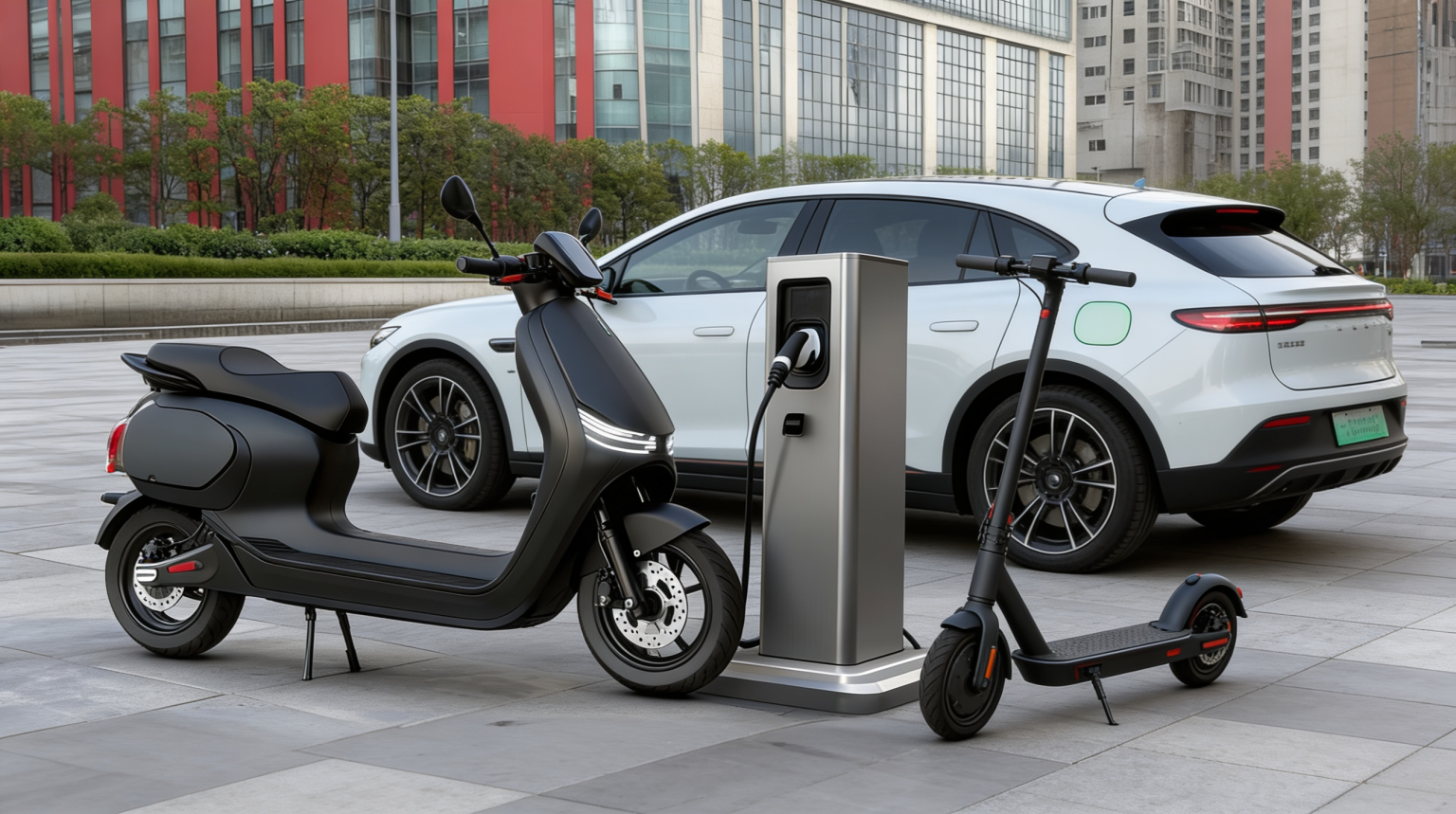
E-Bikes and E-Scooters: With the explosion of last-mile delivery services across Europe, Kosovo is positioning itself as an assembly hub for electric bicycles and scooters. The metal fabrication industry here is strong, and combining frames with imported battery cells allows for “Made in Europe” status, bypassing EU anti-dumping tariffs on Chinese bikes.
-
Retrofitting: There is a growing niche industry in converting specialized industrial vehicles (forklifts, mining trucks) from diesel to electric powertrains.
3. The “Tech-Auto” Convergence
Kosovo’s strongest asset is its ICT sector (as detailed in our Tech report). Modern EVs are essentially “computers on wheels.”
-
Embedded Software: Kosovan software houses are already outsourcing code for automotive dashboards, navigation systems, and fleet management software.
-
Telematics: Investors can leverage local data science talent to build sophisticated telematics and tracking solutions for logistics companies operating across the Balkans.
4. Infrastructure: The Charging Backbone
The “chicken and egg” problem of chargers vs. cars is being solved.
-
Private Investment: Gas station chains (like Hib, Exfis, etc.) are rapidly installing DC Fast Chargers to future-proof their businesses.
-
Home Charging: Because a large percentage of the population lives in individual housing (outside the city center), home charging installation is simpler than in markets dominated by high-rise apartments.
-
The Grid: With the massive investments in the energy sector (solar/wind/storage), the grid is becoming greener, meaning the EVs charged in Kosovo are running on increasingly clean energy.
5. Logistics: The Crossroads of Europe
-
Connectivity: Kosovo sits on the R7 Motorway, connecting it to the port of Durrës (Albania) in 3 hours, and the R6 to Skopje.
-
Rail Modernization: The ongoing rehabilitation of Rail Route 10 connects Kosovo directly to the wider European rail network, facilitating the cheap export of assembled components to German and Central European factories.
Conclusion: The Green Gear Shift
Kosovo offers a rare combination for the mobility sector: high local demand due to geography, and low cost of production due to demographics.
For investors, the lane is open. Whether you are selling the latest EVs to a young, status-conscious population, or looking for a cost-effective location to assemble wiring looms and e-bikes for the EU market, Kosovo is ready to drive.
The engine is starting. Are you on board?
Key Sectors for Investment:
-
EV Charging Infrastructure Deployment
-
Automotive Component Manufacturing (Tier 2/3)
-
Micromobility Assembly (E-bikes/Scooters)
-
Fleet Management Software & Telematics